
1. On Call / After Hours Payments
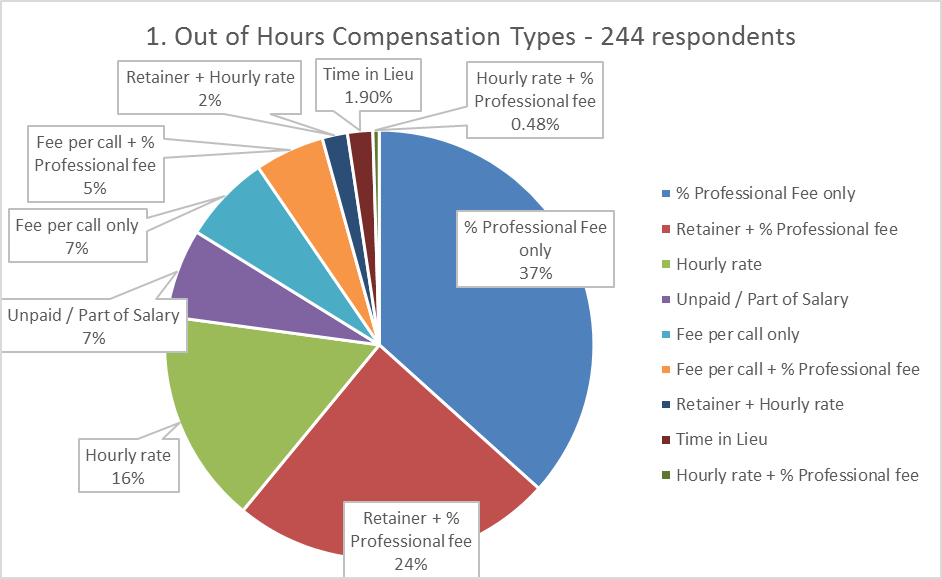
In the 2017 Kookaburra Salary Survey, respondents said that they would be interested to know how vets were being paid or compensated for on call work / after hours duties, and for being ‘on call’.
To download this Report as a printable pdf please click here https://www.vetsuppliersdirectory.com.au/wp-content/uploads/2019/09/Salary-Survey-2019-part-3-OOH-and-Extras.pdf
% Professional Fees
69 % of respondents who told us what percentage of professional fees for after hour work they received (127 vets) got 50%. 10% of respondents got 100%. The rest varied from 10% through to 90%. There was a range of how this was calculated – some commented that this was not including GST. Others had a sliding scale depending on the type of service eg.
- 46% surgery/consult/bandaging, 23% anaesthetics, fluids.
- 75% consult fee, 100% procedure costs, 0% medications.
- 100% of professional fee. This includes consult/call out fee and surgery fee. Does not include radiology, anaesthesia, fluid therapy, hospitalisation.
- 50 % of exam fee and professional fee only. No other percentage for professional fees- eg xrays fluids etc
- 50% of professional fees (consult, X-ray, surgery, hospitalisation)
Only one person commented that they didn’t get paid until the client had paid.
Retainer
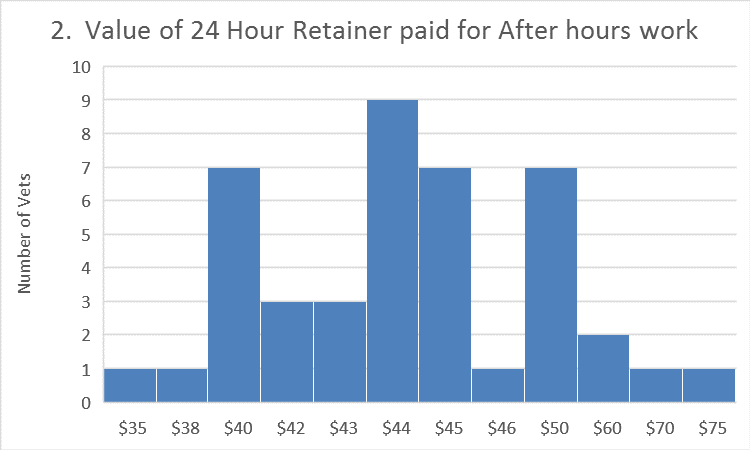
The value of a Retainer paid for after hours work varied considerably. Some respondents commented that they ‘lost’ the retainer once they attended a call, if they were receiving additional payment or a % of fees for the call-out. The Award allowance is currently $43.64 for each 24 hour period on call.
Hourly Rate
Some vets received an hourly rate for out of hours work – possibly considering this work as ‘overtime’. The Award does actually now include guidelines for paying overtime, but it’s unclear when these rates should be applied and what the difference between out of hours calls and overtime is. Examples of comments included:
- 20% loading;
- 30% loading;
- 15% loading on base hourly rate for overnight, Friday nights. 1.5x on Saturday and Sunday. 2x on public holidays.
- Double time
- ‘same rate even if after hours’
- Government – ‘ after hours / overtime pays 1.5 -2x normal Rate’
Fee Per Call
12% of respondents received a fee per call-out. This probably varies according to the after hours consultation fee set by the practice.
16 vets gave an indication of the fee they received, and it varied from $50 to $500.
($50 , $60 , $66 , $100 , $120 , $125 , $130 , $140 , $146 , $150 , $181 , $185 , $200 , $215 , $375 , $500 )
Unpaid / Part of Salary
7% of respondents (14 vets) were unpaid for after hours work, or had no additional compensation because it was considered ‘part of their salary’ , ‘expected as part of the job’, ‘reasonable unpaid overtime’. We didn’t collect information about the amount of after hours work performed by these vets.
2. Salary Package Extras
We asked what kind of extras do vets receive in their salary package – respondents could choose multiple options from a preset list, and could also add their own comments. 452 vets responded.

There was no statistical difference between the extras received by vets working in corporate practices, and vets working in non-corporate practices, apart from Vehicle or vehicle costs – only 11.54% of respondents working in corporate practices received vehicle benefits compared to 24.07 % of respondents working in non-corporate practices.
When comparing vets classified as Full Time compared to Part Time, vets working in a full time vacancy were more likely to receive Board registration, AVA membership, and Vehicle costs.
Female Vets were more likely to receive Parental leave (11.11%) compared to Male Vets (5.08%)
We asked for extra information, and for information about any other types of benefits received, and this included the following:
- Some vets receive a monetary allowance per year, to be spent on CE or other appropriate bills, ranging from $1000 to $2000 per year
- Massage/acupuncture
- VIN membership – this was commonly mentioned
- CVE membership
- AVA interest group memberships (ASAVA, EVA etc )
- VDA membership
- VECCS membership (Vet Emergency & Critical Care Society), Vetstream,
- Beer
- Christmas bonus
- Extra Superannuation (above 9.5%) and option for salary sacrifice
- Mobile phone or phone allowance
- Extra holiday (in addition to 4 weeks standard leave)
- Parking discount, Tollway tag
- Pet Insurance, pet health care plan
- Clothing allowance
- Insurances – Income Protection, Professional Indemnity,
- Radiation License
- Rostered days off
- Sponsored Visa
© Copyright Kookaburra Veterinary Employment
2nd September 2019


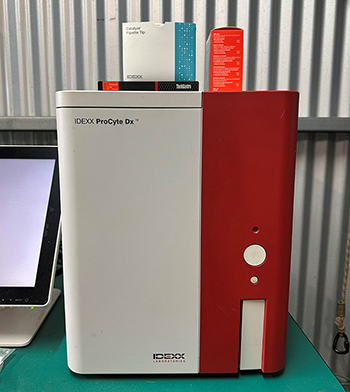 In very good condition.
 It has been interesting to read the NSW Parliamentary Committee report from its Inquiry into the veterinary workforce shortage in NSW. (
 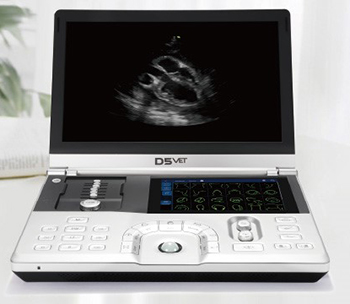 VINNO D5-VET Portable Ultrasound (Brand New, Unused Includes 2 Probes)
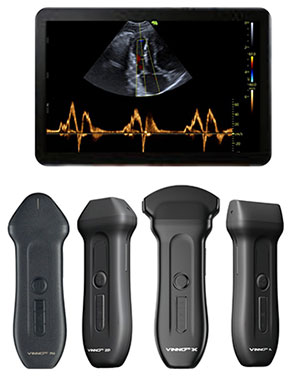 Used only for demonstration purposes, never in a clinical setting.
