Blog

Sound Veterinary Equipment – Regenerative Therapy Without Compromise

Comments Off on Sound Veterinary Equipment – Regenerative Therapy Without Compromise

As veterinary medicine continues to embrace evidence-based, non-pharmaceutical treatment options, regenerative therapies are becoming an increasingly valuable part of everyday clinical practice. Whether managing chronic osteoarthritis, accelerating post-operative recovery or treating challenging soft tissue injuries, today’s veterinarians are looking for technologies that deliver measurable clinical outcomes while enhancing patient comfort.

Multi Radiance has established itself as a global leader in regenerative therapy by offering an integrated range of advanced treatment systems designed to reduce pain, stimulate healing and improve recovery across a wide variety of companion animal and equine patients.

Unlike many manufacturers that focus on a single therapy modality, Multi Radiance provides a comprehensive treatment platform that combines advanced photobiomodulation (laser therapy) with focused acoustic compression therapy (shockwave), allowing clinicians to select the most appropriate treatment for each patient and condition.
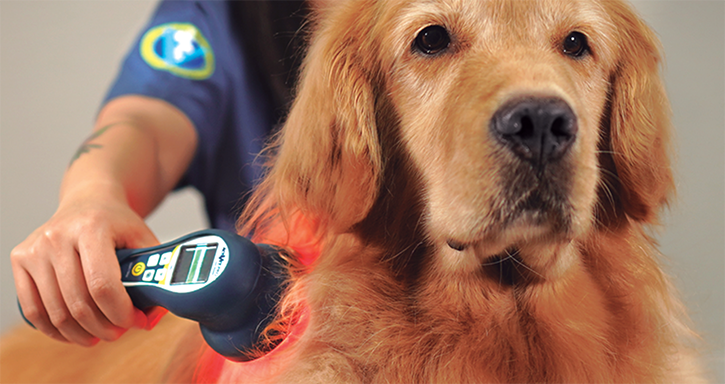
The company’s proven laser therapy systems utilise Super Pulsed Laser technology to deliver therapeutic energy deep into damaged tissue without generating excessive heat. By stimulating cellular activity, increasing circulation and reducing inflammation, photobiomodulation can assist in the management of osteoarthritis, tendon and ligament injuries, neurological conditions, post-operative recovery, wound healing and rehabilitation. With over 50 published studies supporting its technology, Multi Radiance remains one of the most clinically researched therapeutic laser manufacturers in veterinary medicine.

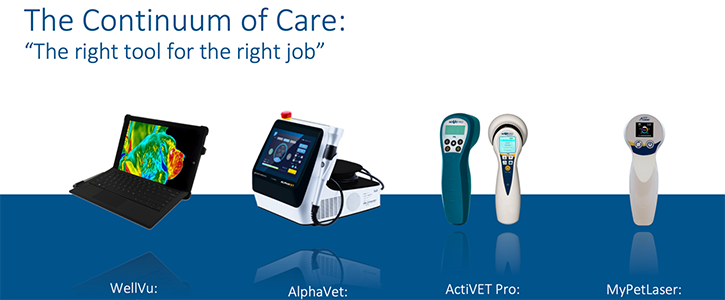
The flagship ACTIVet PRO Series provides versatile treatment options for both routine and advanced cases, including the innovative LaserShower, which enables rapid treatment of larger muscle groups, extensive wounds and larger patients. Complementing this is the AlphaVet Class IV laser, designed to provide rapid analgesia and prepare tissues for subsequent regenerative therapy.
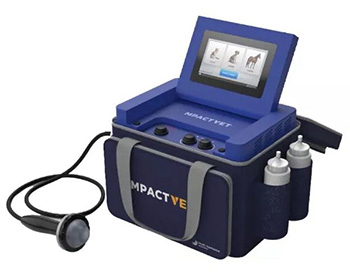
For practices seeking to further expand their rehabilitation capabilities, the MPACT ShockWave system introduces another powerful treatment option. Using focused acoustic compression technology, MPACT delivers mechanical stimulation that complements laser therapy by promoting tissue regeneration, improving blood flow and encouraging healing in chronic musculoskeletal conditions. Shockwave therapy has become increasingly recognised for treating chronic tendinopathies, ligament injuries, trigger points, muscle strains and osteoarthritis, particularly in cases where long-standing pathology requires additional stimulation to restart the healing process.

Because laser therapy and shockwave act through different biological mechanisms, they can be used independently or together, providing veterinarians with a comprehensive, multimodal approach to pain management and rehabilitation. Many practices find that combining these therapies produces excellent clinical outcomes while reducing reliance on long-term pharmaceutical management.

Multi Radiance also recognises that successful treatment extends beyond the consultation room. Through the My Pet Laser 2.0, veterinarians can prescribe take-home laser therapy, allowing owners to continue treatment between visits. This improves patient compliance, supports ongoing recovery and creates an additional revenue stream while strengthening client engagement.

Introducing regenerative therapies into practice has never been easier. Multi Radiance systems feature intuitive operation, built-in treatment protocols and comprehensive clinical training, enabling veterinarians and veterinary nurses to confidently integrate these technologies into their daily workflow.

Whether your practice is looking to enhance rehabilitation services, improve orthopaedic outcomes, expand pain management options or introduce advanced regenerative medicine, the Multi Radiance portfolio offers a complete solution backed by clinical evidence, education and ongoing support.

To learn how Multi Radiance laser therapy and MPACT ShockWave can benefit your patients and your practice, contact Sound Veterinary Equipment for a personalised demonstration and discover why more veterinary professionals are making regenerative therapy an integral part of modern veterinary care.
Sound Advice, Sound Service & Support … Sound Veterinary Equipment!

Contact our office for friendly advice today! 

EMAIL: contact@soundveterinary.com.au  |  TEL:    1300 881 681  | WEBSITE


11/09/2026 |

Applying for Jobs – Graduate Veterinarians

Comments Off on Applying for Jobs – Graduate Veterinarians

Interview Day on calendarAlthough this article was written for new Veterinary Graduates, and first published in the Kookaburra Veterinary Employment new graduate job newsletter, the general points covered are equally applicable to experienced vets.

How To Apply

Initial contact depends on the job advert – if it asks for applications in writing then don’t phone up. If you are happy to chat on the phone, then this is a great way to find out more about a clinic. If you prefer to send your CV first then that is fine.

Include:

  • your CV
  • written reference/s if you have them,
  • A cover letter.

A cover letter should say why you’re sending your CV, and include for example:

  • a little bit of information about what type of job you are looking for, what your interests are, aims, skill competencies, etc
  • why you feel this one is suited to your particular skills
  • what level of commitment you are offering eg. Practices are often hopeful that new graduates will stay longer than 12 months.
  • Any other relevant info that isn’t included on your CV, for example, visa details for overseas graduates.

If the ad gives a phone number then phone the clinic first to find out if the job is still available, and to ask if you can send your details through.

Follow-up:

Follow-up is really important. Vet Clinics are busy places, and Vets are notoriously unorganised. Your CV may sit on, or even worse, at the bottom of a pile of papers waiting for a “paperwork day”. Don’t assume that just because you haven’t heard anything, they’re not interested. Kookaburra Veterinary Employment receives many calls from clinics where they have mistakenly deleted emails (or they’ve gone to spam), mislaid paperwork, and lost the bit of paper with a vital phone number and name.

  1. Phone to make sure they received your CV/letter and to give them a voice to put to the paperwork.
  2. If you haven’t heard anything, follow up again in 2 weeks. Don’t pester the clinic, but don’t leave it too long either. Even when a clinic says they’ll ring you, often they won’t!

Interview:

cartoon of interview techniqueIt’s important to have a face to face interview if possible. Not only does the clinic need to evaluate you, you need to evaluate the clinic – see whether it’s up to date, does it run smoothly, meet the vets and the nurses and see if you’ll be able to get on with them ok, do they allow enough time to meet you properly and show you around. It’s best to spend half a day, or even a full day at the clinic. If it’s a mixed practice, take your protective clothing along so you can go on calls if necessary.


Be on time and look smart!

You shouldn’t just have a ½ hour interview – the clinic may feel they are able to make a snap judgement about you in that time, but they may get a false impression, and you certainly can’t get a good impression of them in that time. If that is what they offer, ask if you can spend the rest of the day at the clinic anyway.

Many clinics will pay your accommodation and travel expenses if necessary for an interview, within Australia.

Practice your interview technique with your family and friends – don’t use clinics to get interview experience. Only accept interview opportunities if you are really serious about your job application.

Research:

Make sure you do some research about the clinic or company that you are applying for a job with. Look them up online; check out their website, opening hours, Facebook page, Instagram account. They’re probably going to be looking you up! Phone the clinic and chat to the receptionist or the vet nurse who answers the phone, or ask if you can contact any current employees, or the employee who is leaving. In addition, check out the local area if you’re anticipating relocating. Look up clubs, sports facilities, schools, recreational opportunities, & real estate.

Too many new graduates take a job, and then leave in under 12 months. You must make sure that it is the type of clinic that you would feel happy working in, and that you will get the support necessary to kick start your career.

  • Talk to the vet, ask them about the clinic – the type and proportion of work they do, any special interests, find out the shift roster, what equipment they have, is there a range of clinic protocols, do they do in house pathology etc
  • Talk to the nurses. Nurses are extremely important allies for recent grads. They often know more than you do about common problems and dealing with clients, and they are very familiar with clinic protocols. You need to be able to get on with the nurses and support staff.
  • Will they be able to support you as a new graduate adequately? Graduates vary as to the amount of support they need – you may need hands-on supervision for some procedures and not for others; will you be able to talk to another vet at any time if you need advice? Are the nurses fully qualified? Do they have a structured support programme for new grads?
  • Ask about the after-hours roster. In my first job, for the first month I didn’t have to do out of hours calls. Then, once I knew my way around, I was added to the roster, but with a 2nd vet to call if necessary. This is a very good way to ease you in gently and relieves your stress levels considerably (and those of the clients!).

Salary Expectations

At some point in your interview, you may be asked what your salary expectations are, or alternatively, it may be important for you to ask what the salary on offer is. Some employers may turn the question around and ask what you’re making now. If you don’t expect the question, you may have an awkward moment. Do as much research as you can so that you’re prepared. The Animal Care and Veterinary Services Award 2020 [MA000118] sets minimum hourly rates. New graduate salaries often stay close to the Award – the current level 1A award rate is $67,579 pa.

You could say something like “according to my research, my understanding is that $70-80K per year is typical based on the role and requirements” or if you want to delay answering, “I’m more interested in finding a position that’s a good fit for my skills and interests. Could we talk about salary once I’ve heard more about the job on offer?”.   Be honest; be realistic, and don’t sell yourself short. It’s also important to look beyond the Salary figure – look at any additional benefits such as training & bonuses. If you think you’re currently being underpaid, let them know what you’re being paid at the moment, but that you know from research that other vets are getting a certain amount at this level, and why you believe that you are worth it.

In addition, all employees are covered by the National Employment Standards (NES), which outline minimum entitlements regardless of award or contract.

Getting a job offer:

If you are offered a job, you don’t have to accept immediately – it’s ok to let them know you have other interviews and wait to see what else you are offered. However, please keep the surgeries up to date with your plans and if you are going to turn them down, tell them so. It is not good practice to accept a job, and then continue to attend other interviews in the hope of getting a ‘better’ job – and then calling the first practice a week before you are due to start work to tell them that you won’t be turning up after all. Behaving in this way will hurt your future job prospects and your reputation.

If you accept a job, ask for a firm offer letter in writing to avoid misunderstandings. If a clinic won’t give you a firm offer or messes around, then don’t take the job! They probably wouldn’t be very good to work for.

You can also request a contract or similar document stating your conditions of work.

A General Note of advice:

Don’t restrict your search to your local home area – be prepared to travel. Although new grads do need a lot of support, sometimes it can be better to move right away from home so that you can concentrate on settling in to your new job, getting to know the people you work with, joining in local activities etc.

Author:

Wendy Nathan
Kookaburra Veterinary Employment

This information includes the views and opinions of Kookaburra Veterinary Employment and is of a general nature only. Factual information is believed to be correct at the time of writing, however, should not be relied upon and any person should confirm details with the relevant authorities and through their own research prior to acting on any of the suggestions in this article.

Job search representation

09/09/2026 |

Job Categories for VNs, Techs & Support staff

Comments Off on Job Categories for VNs, Techs & Support staff

Every job listed on the main Kookaburra Vet Employment website is also listed on the Kookaburra Jobs App – and you can view them in a list, or on a map.

This orange pin indicates a job suitable for a vet nurse, vet tech, practice manager, and all other support staff roles like reception, client care, animal attendant
An open orange pin indicates a temporary, locum or short-term contract job
This red pin indicates an Industry vacancy – one not necessarily based in a veterinary clinic, but where knowledge or qualifications in the industry would be useful
An open industry pin indicates a temporary, locum or short-term contract job

Filtering Job Categories

To narrow down your job search, you can apply and save a filter for the jobs displayed in the app. Your filter settings are automatically remembered. The categories available are:

  • Clinical Nursing (mostly GP but including shelter, charity)
  • Referral or Specialist Nursing – eg. Internal Medicine; Surgery/Theatre; Oncology, Dermatology
  • Reception, Client care & Customer Service
  • Practice Management, Business Management, Administration
  • Industry / Non clinical eg. pet insurance, sales
  • Telemedicine / Remote or Work from Home
  • Grooming
  • Animal Attendant
  • Kennel Hand, Stable Hand
  • Any other job suitable for a vet nurse

The list can be sorted with the newest jobs at the top – so it’s easy to keep an eye on new vacancies, which become live on the app as soon as they’re processed by Kookaburra during the day. Getting your job application in first helps to make a great first impression.

The Kookaburra Jobs app is available on both the App Store and the Google Play Store

21/07/2026 |

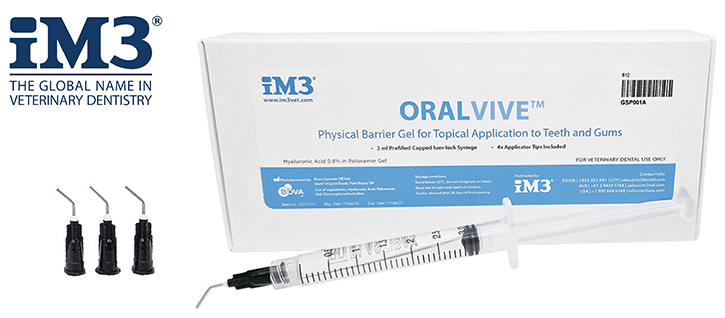
OralVive® a breakthrough Hyaluronic Acid in Poloxamer gel applied topically to teeth & gums supporting oral tissue and bone regeneration in animals. 

Comments Off on OralVive® a breakthrough Hyaluronic Acid in Poloxamer gel applied topically to teeth & gums supporting oral tissue and bone regeneration in animals. 

Hyaluronic acid “sticks” to soft tissue because, as a powerful humectant, it attracts and binds water to itself and the skin’s cells, locking in moisture to hydrate, plump, and strengthen the skin’s natural barrier. This ability to hold 1,000 times its weight in water makes it an excellent hydrator.

CANINE STUDIES DEMONSTRATE STATISTICAL IMPROVEMENT ACROSS A RANGE OF ENDPOINTS – AFTER JUST A SINGLE APPLICATION of HA.

Decreased

  • Gingival recession
  • Probing pocket depth
  • Epithelial down growth
  • Pain post periodontal therapy and tooth extraction
  • Bleeding on probing

Increased

  • Bone formation
  • Cementum formation
  • Connective tissue attachment
  • Ligament attachment
  • Pocket filling post extraction
  • Rate of wound healing

OralVive® is applied using a 3ml luer lock syringe and tip topically as a gel directly to the gums and oral mucosa or applied subgingivally and into periodontal pockets and alveolar sockets.

Visit our ORALVIVE product page HERE

17/07/2026 |
© Vet Suppliers Directory 2019. Vantage Theme – Powered by WordPress.
Skip to toolbar