Your clinic and your patients deserve the best when it comes to diagnosis and care.
For imaging, that doesn’t just mean great equipment. It means equipment which suits your needs, plus support and training to get the most out of your investment.
That’s the philosophy behind Radincon’s commitment to all our customers:
Quality Product. Reliable Service. Honest Advice.
CONTACT US FOR ADVICE
 Recommended X-Ray Equipment
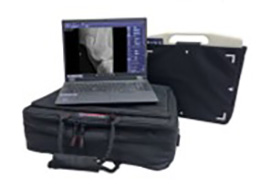
RAD-X DR X1A Rover
Soft case system
Portable system handles DR acquisition, post processing and raw data storage.
Textbook quality images displayed within seconds and visible from a wide angle thanks to the OLED display. Add your choice of Canon DR panels.
Use it in the clinic or take it with you for equine and large animal visits.
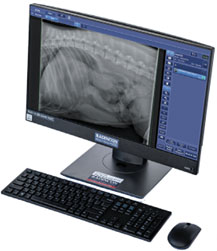 RAD-X DR CX-4A
In-clinic system
Fully integrated workstation for DR acquisition, post processing and raw data storage.
- Touchscreen and wireless connection
- Integrates with existing x-ray units and tables
- Add your choice of Canon DR panels
Ideal for small animal clinics.
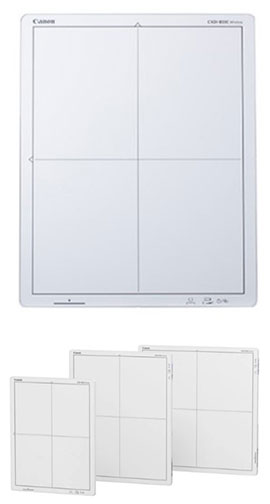 Canon High Resolution DR Panels
Intelligently engineered, high quality flat panels for small animal, mixed and equine practices as well as zoos.
CXDI-Pro Series
Advanced Edge Enhancement for better detail of bones, fine structures, catheters and tissue.
Automatic Exposure Detection triggers image capture with no need for external cables or connections
- 703C: 2.9kg, 35×43 cm image area
- 803C: 2.1kg, 27×35 cm image area
CXDI-Elite Series
Intelligent Noise Reduction gives clearer images with a reduced X-ray dosage
Automatic Exposure Control tracks radiation dosage and cuts off to keep exposure to a minimum
- 720C: 2.3kg, 35×43 cm image area
- 820C: 1.8kg, 27×35 cm image area
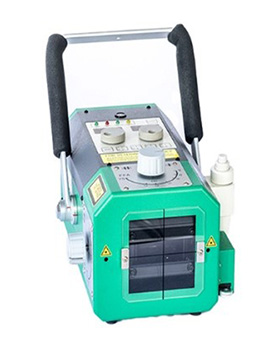 Porta 100HF
A perfect choice for mixed practice.
Light enough and powerful enough to handle large animal cases in the field, and equally at home in the practice.
- Twin laser pointers support accurate focal distance.
- Easy collimation with the bring LED light.
- 8 memory factor settings to save you time on the jobs you do every day.
- One button push reverses the display for those awkward angles.
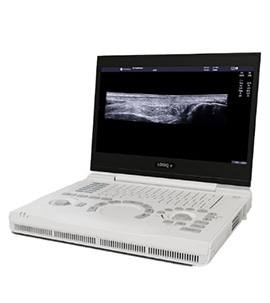 GE LOGIQ e R9
The GE Logiq e R9 is an outstanding option for the latest in portable ultrasound capability.
Ideal for use in any practice, it has everything you want and expect from GE:
- Large, hi-res screen (15.6”) with wide viewing angle
- Touchpad allows simple finger swipe navigation
- Scan Assist – use preset protocols or create your own for faster, more consistent scanning
And with 90 minutes of scanning time on one battery, you can keep the floor clear of cables.
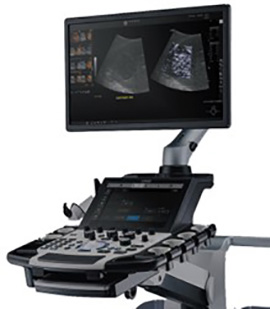 GE LOGIQ Fortis
Another quality GE model, the Fortis is small and sleek enough to move around your practice as required.
- AI tools make exceptional imaging quality easier than ever to achieve.
- Customisable probe presets will save you time and improve productivity.
GE Versana Active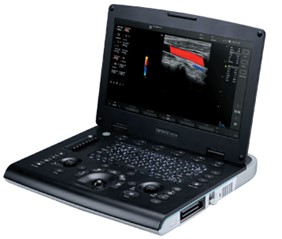
A longstanding favourite of ours and of our clients, the GE Versana Active is the perfect option for portable ultrasound.
Lightweight, affordable, with Colour, Power and PW Doppler as standard, what’s not to like about the Active?
RocketPACS
All your DICOM images, available any time on any device
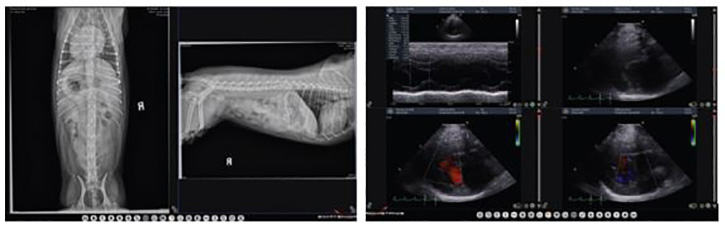
RocketPACS is a secure cloud-based system which lets you store, manage, view and share your DICOM images on any device.
Intuitive and easy-to-use browser-based controls, including touchscreen options. Zoom in or swipe through images easily. Ideal for client communication and consultation.
Diagnostic features include:
- Brightness and contrast controls
- Measurement tools, and
- Side-by-side comparison with previous exams.
Plus you can easily share with other professionals for a second opinion or specialist input on complex cases.
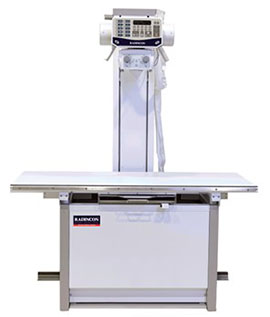 RAD-X HF Premier Vet System
Equip your x-ray suite!
Systems are customisable to your practice needs, but include:
- 4 way float table controlled by foot pedal for when your hands are occupied
- Movable tube stand which combines with the table to maximise positioning options for every patient
- Fully adjustable cassette tray
- Side rails for patient restraint
Reliable Service
If you’re using our equipment and anything goes wrong, we‘re there to help out.
We offer 24x7x365 support.
We had equipment from somewhere else originally, but we chose Radincon for the quality of the equipment and because of their reputation. The after sales service is amazing. We call on Sundays or after hours and we always get help. I remember one weekend Alex was on his way out to attend a wedding, but he stopped and took the time to help us out.
– Christine Kidd and Pauline Gaven, Manly Road Veterinary Hospital
We also have loan equipment, for when we can’t fix something straight away.
One client called us on a Sunday because all his equipment had been damaged in a fire. We sprang into action, testing and prepping the required units from our fleet to send out straightaway. By Tuesday, the practice was operational again.
Honest Advice
We’re here to help. That starts right at the beginning, even before you buy.
- What do you need to start a new practice, or to upgrade your current one?
- Which DR panel is going to work best for your practice?
- How do you choose between different x-ray options?
- Which probes will extend the capability of your existing ultrasound to match your patient caseload?
We can advise on all these questions and more.
Radincon have been looking after vets and their diagnostic imaging years for 47 years. We’re in it for the long term. That means we’ll tell you the truth, upfront.
It’s not about a quick sale. It’s about what’s right for you, and right for your patients.
If you’re investigating diagnostic imaging, get in touch. Whether you need something now or you’re planning for the future, we’re here to answer all your questions.
Call Us: 1300 721 734



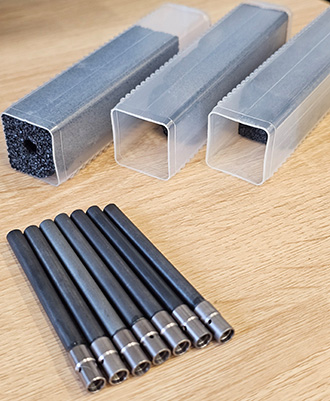 They are brand new/unused.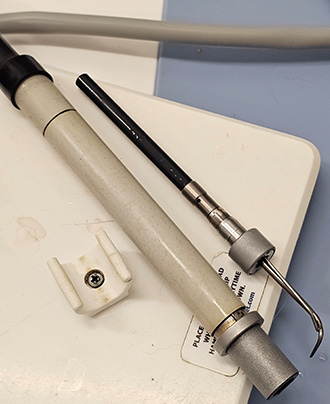
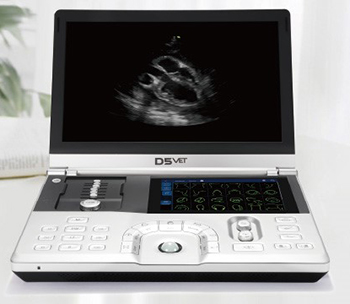 VINNO D5-VET Portable Ultrasound (Brand New, Unused Includes 2 Probes)
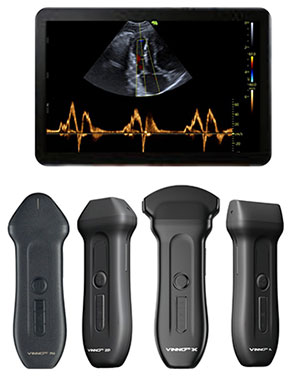 Used only for demonstration purposes, never in a clinical setting.